Arabesque Islamic Art Patterns: A Timeless Fusion of Beauty and Functionality
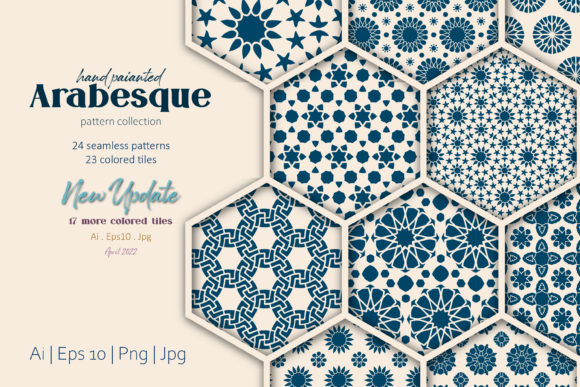
In the ever-evolving world of design, where creativity meets functionality, Arabesque Islamic Art Patterns have emerged as a powerful tool for professionals across various industries. This collection, which features 24 monochrome patterns and 23 colored tiles, is more than just an artistic resource—it's a versatile solution that caters to the needs of designers, entrepreneurs, and creatives looking to infuse their work with cultural depth and aesthetic appeal.
Arabesque Islamic Art Patterns are rooted in the rich heritage of Islamic art, characterized by intricate geometric designs, flowing lines, and symmetrical motifs. These elements have been meticulously crafted in a hand-drawn style, making this collection a unique blend of tradition and modernity. The result is a set of patterns that can be seamlessly integrated into a wide range of applications, from stationery and invitation cards to fashion, textile, and digital design.
The Versatility of Arabesque Islamic Art Patterns
One of the most compelling aspects of Arabesque Islamic Art Patterns is its adaptability. Whether you're working on a high-end fashion line or designing a website, these patterns offer a level of sophistication that can elevate any project. The collection includes 2 AI CS6 files containing 23 colored tiles and 24 monochrome patterns, allowing users to easily incorporate them into their design workflows. Additionally, the availability of 47 EPS 10 files ensures compatibility with a wide range of graphic design software, while the 47 PNG files with transparent backgrounds provide flexibility for use in both print and digital formats.
The high-resolution 4000px PNG and JPG files further enhance the practicality of this collection. With such detailed imagery, designers can confidently use these patterns in large-scale projects without worrying about loss of quality. This makes Arabesque Islamic Art Patterns an ideal choice for professionals who demand precision and clarity in their work.
Why Arabesque Islamic Art Patterns Are Gaining Attention
As the design industry continues to evolve, there is a growing emphasis on cultural authenticity and visual storytelling. Arabesque Islamic Art Patterns align perfectly with this trend, offering a way to connect with audiences through meaningful and historically significant design elements. In a market where consumers are increasingly seeking unique and personalized experiences, these patterns provide a distinctive edge that sets creative work apart.
Moreover, the rise of digital platforms has made it easier for artists and designers to access and share their work. Arabesque Islamic Art Patterns are well-suited for this digital landscape, as they can be easily adapted for web design, social media content, and online marketing campaigns. This accessibility has contributed to the growing popularity of the collection among freelancers, marketers, and entrepreneurs who are always looking for innovative ways to engage their audiences.
How Arabesque Islamic Art Patterns Fit Into Broader Trends
The resurgence of interest in traditional and cultural art forms is not just a passing fad—it reflects a deeper shift in consumer preferences and creative practices. As people become more conscious of the origins and meanings behind the art they consume, there is a greater appreciation for pieces that carry historical and cultural significance. Arabesque Islamic Art Patterns tap into this sentiment, offering a bridge between the past and the present.
This trend is also closely linked to the increasing demand for sustainable and ethical design. By using hand-drawn patterns that draw from centuries-old traditions, designers can create work that feels authentic and timeless. This not only enhances the visual appeal of their projects but also resonates with audiences who value craftsmanship and cultural heritage.
Practical Applications and Real-World Examples
The versatility of Arabesque Islamic Art Patterns makes them suitable for a wide range of applications. For instance, in the realm of home decor, these patterns can be used to create stunning wall art, fabric designs, or even custom furniture. Their intricate details add a touch of elegance that can transform any space into a visually engaging environment.
In the fashion industry, designers can incorporate these patterns into textiles, accessories, and even footwear. The combination of geometric precision and fluid lines offers a dynamic aesthetic that appeals to both traditional and contemporary tastes. Similarly, in the field of web design, these patterns can be used as background elements, icons, or decorative accents, adding a layer of sophistication to digital interfaces.
For entrepreneurs and small businesses, Arabesque Islamic Art Patterns provide a cost-effective way to enhance their brand identity. Whether it's creating a logo, designing packaging, or developing marketing materials, these patterns offer a professional look that can help establish a strong brand presence.
Looking Ahead: The Future of Arabesque Islamic Art Patterns
As technology continues to advance, the potential for integrating Arabesque Islamic Art Patterns into new mediums and platforms will only grow. From augmented reality experiences to interactive digital installations, the possibilities are endless. This collection is not just a static set of designs—it's a foundation for innovation and creativity that can inspire future generations of artists and designers.
Furthermore, as global markets become more interconnected, the demand for culturally diverse and inclusive design solutions will continue to rise. Arabesque Islamic Art Patterns are well-positioned to meet this demand, offering a resource that is both aesthetically pleasing and socially relevant.
In conclusion, Arabesque Islamic Art Patterns represent more than just a collection of visual elements—they are a testament to the enduring power of design to connect, inspire, and innovate. Whether you're a seasoned professional or an emerging creator, this collection provides a valuable tool for expressing your vision and meeting the evolving needs of the design industry.